Crucial Tips for Effective Moss Removal to Enhance Your Outdoor Room
Moss can be a persistent trouble in exterior rooms, often prospering in wet and shaded locations. Recognizing the underlying sources of moss development is important for effective removal and avoidance. Recognizing the right methods and tools is necessary for tackling this concern. Furthermore, maintaining a healthy and balanced exterior setting can considerably decrease the chances of moss returning. Exploring reliable methods can transform overlooked areas right into dynamic landscapes. What actions can one require to ensure enduring outcomes?
Comprehending the Reasons For Moss Growth
Although moss can include a stunning quality to landscapes, its growth frequently indicates underlying issues in the environment. Generally, moss grows in moist, shaded areas where sunlight is restricted, producing a suitable habitat for its spreading. Poor drain and compacted soil add substantially to its spread, as these problems preserve dampness and inhibit correct water runoff. In addition, acidic dirt can favor moss over preferred plants, leading to discrepancies in the ecological community. High humidity and constant rainfall even more worsen the issue, permitting moss to thrive where various other vegetation struggles. Lack of competitors from lawn turfs can additionally assist in moss growth, especially in disregarded areas. In general, understanding the reasons of moss growth is important for reliable management and elimination, making certain that outdoor areas can return to their designated visual and environmental function. Addressing these underlying concerns is vital to avoid future moss infestations.
Identifying Areas Prone to Moss Accumulation
Identifying areas vulnerable to moss build-up is vital to reliable monitoring and prevention. Moss flourishes in environments that perspire, shaded, and have inadequate water drainage. Locations under trees or thick shrubs frequently experience reduced sunshine, producing optimal conditions for moss development. In addition, regions with compacted dirt, such as pathways or greatly trafficked grass, might maintain moisture, additional promoting moss expansion.
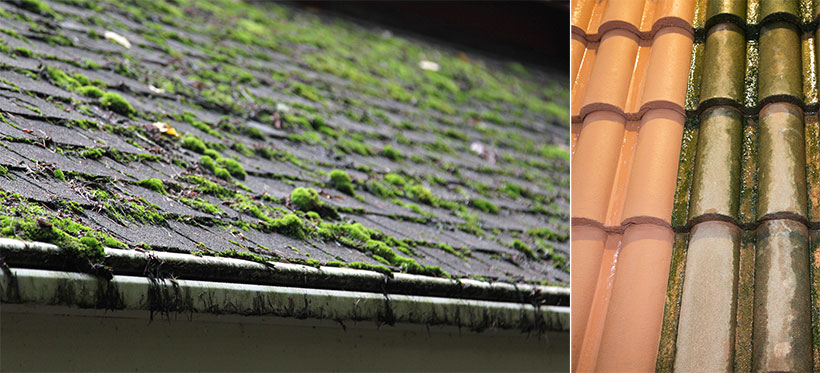
Additionally, badly draining pipes surface areas like concrete or asphalt can additionally end up being moss hotspots, particularly in shaded areas. Property owners need to regularly check their exterior spaces, trying to find indications of moss on roofings, patio areas, and garden beds. Recognizing these areas enables aggressive actions to be taken, such as improving sunlight direct exposure, enhancing drainage, or changing landscaping. By identifying these at risk areas, individuals can much better plan for and prevent future moss problems, eventually bring about a healthier and a lot more cosmetically pleasing outside space.

Effective Moss Elimination Strategies
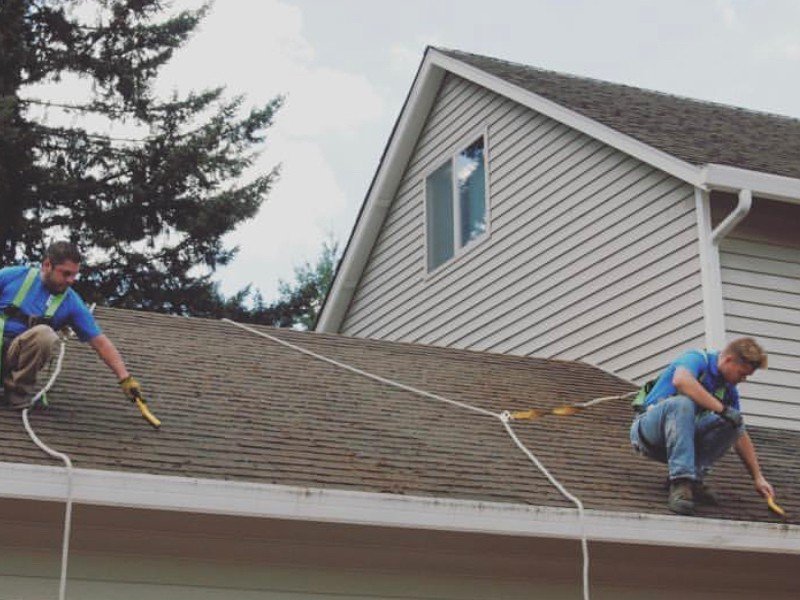
Getting rid of moss efficiently calls for a combination of strategies tailored to the particular surface areas and conditions where moss has actually taken hold. For hard surfaces such as patio areas and driveways, a stress washing machine can be extremely effective, blasting away moss without harming the underlying product. When handling softer surface areas like roofs or wooden decks, a gentler strategy is necessary; making use of a soft-bristle brush and a combination of vinegar and water can assist dislodge moss without causing injury.
Stopping Future Moss Development
To avoid future moss growth, it is necessary to enhance sunshine exposure and improve drain systems. Boosting sunshine can discourage moss from flourishing in shaded areas, while effective drainage minimizes dampness build-up. Implementing these approaches can produce a setting much less conducive to moss proliferation.
Enhance Sunlight Exposure
How can enhancing sunshine direct exposure properly fight future moss development? By permitting extra sunshine to reach shaded areas, house owners can substantially prevent the excellent problems that moss prospers in. Moss generally flourishes in dark, damp environments; therefore, enhancing light schedule can interrupt its life process. Strategic tree cutting or elimination may be required to boost sunshine in impacted areas. Furthermore, making use of reflective surfaces, such as light-colored rocks or outdoor patio materials, can additionally boost light infiltration. Routinely preserving and keeping track of yard wellness likewise guarantees that sunlight can reach the ground properly. Carrying out these steps not just minimizes the possibility of moss regrowth however also advertises a healthier, extra lively outside area.
Enhance Drainage Systems
Effective drain systems play a crucial role in stopping future moss development in household landscapes. It creates a wet atmosphere helpful to moss expansion when water accumulates in particular areas. To boost drainage, homeowners must assess their landscape for low-lying areas and think about mounting French drains pipes or swales to reroute excess water. Regular maintenance, such as clearing downspouts and rain gutters, will certainly likewise advertise efficient water circulation. Additionally, making sure that dirt is well-aerated can boost absorption and minimize water merging. Growing drought-resistant plants can further mitigate moisture retention, creating an unfavorable setting for moss. By addressing water drainage issues proactively, property owners can considerably minimize the probability of moss taking hold and maintain a healthier, much more lively outside room.
Choosing the Right Products for Moss Control
When picking products for moss control, house owners should find this consider the advantages of chemical versus all-natural solutions. Each choice offers possible disadvantages and distinct advantages, affecting effectiveness and ecological influence. Furthermore, understanding different application approaches can ensure excellent results in moss elimination initiatives.
All-natural vs. Chemical Solutions
While both natural and chemical services provide practical choices for moss control, the choice commonly depends upon specific choices, environmental factors to consider, and the seriousness of the moss trouble. Natural remedies, such as vinegar, cooking soda, or salt, are frequently favored for their eco-friendliness and reduced poisoning. They can successfully prevent moss development without hurting surrounding plants or soil health and wellness. Alternatively, chemical solutions tend to be more powerful and can provide quicker outcomes, making them ideal for serious problems. They may pose risks to non-target microorganisms and the environment if misused. Inevitably, the decision between all-natural and chemical items ought to mirror a balance of efficiency, security, and the total influence on the outdoor area.
Application Approaches Described
Picking the right products for moss control involves comprehending the numerous application techniques offered. informative post Home owners can select between granular, liquid, and foam products based upon their choices and the particular area affected by moss. Granular options are generally spread over the moss-infested area, enabling for progressive absorption and performance. Fluid therapies, usually applied with a sprayer, offer instant coverage and infiltration, making them ideal for bigger locations. Foam products supply targeted application, which can be useful for detailed surface areas like roofs or walls. In addition, variables such as weather and surface area type must be taken into consideration when selecting a technique. Inevitably, comprehending these techniques enables effective moss control, guaranteeing a much healthier and extra attractive outside area.
Keeping a Healthy And Balanced Outdoor Room After Elimination
After moss elimination, it is vital to implement reliable maintenance techniques to guarantee the exterior area stays healthy and vibrant. Regular grass care is very important; trimming at the appropriate height promotes yard health and inhibits moss regrowth. Additionally, ensuring sufficient sunshine reaches the yard and garden locations is important, as moss flourishes in shaded settings.
Soil health must also be focused on. Testing soil pH and nutrient degrees can lead proper amendments, cultivating a robust environment. Proper drain is another essential element; dealing with any type of merging water can prevent moss from reestablishing itself.

Frequently Asked Concerns
Can Moss Be Beneficial for My Yard or Landscape?
Moss can be advantageous for gardens and landscapes by offering ground cover, retaining moisture, and improving dirt top quality. It likewise fosters biodiversity, supplying environment for small microorganisms and boosting the total visual charm of outside areas.
How Lengthy Does It Take for Moss to Regrow After Elimination?
Moss can grow back within a couple of weeks to a number of months after elimination, depending upon environmental problems like soil, shade, and moisture top quality. Regular maintenance is crucial to prevent fast reestablishment in impacted locations.
Is Moss Elimination Dangerous to Bordering Plants or Wild Animals?
Moss elimination can possibly harm surrounding plants and wildlife, specifically if chemical therapies are used. Manual removal, nevertheless, generally postures minimal threat, though treatment should be required to avoid disturbing close-by vegetation and environments throughout the process.
What Season Is Ideal for Moss Elimination?
The most effective time for moss elimination is commonly in early springtime or late autumn. Throughout these periods, temperature levels are modest, and wetness degrees can aid assist in the removal procedure while lessening tension on surrounding plants.
Just How Can I Inform if Moss Is Dead or Just Inactive?
To establish if moss is dead or dormant, one ought to examine its color and texture. Healthy moss shows up vibrant and green, while dead moss tends to be brown and breakable, doing not have wetness and elasticity.
Usually, moss grows in damp, shaded areas where sunlight is limited, developing a perfect environment for its expansion. Removing moss effectively calls for a combination of strategies customized to the particular surfaces and problems where moss has actually taken hold. Boosting sunshine can discourage moss from growing in shaded locations, while reliable drainage minimizes wetness buildup. By permitting more sunlight to reach shaded locations, home owners can greatly prevent the excellent problems that moss thrives in. While both chemical and natural options offer viable alternatives for moss control, the choice frequently depends on individual preferences, ecological considerations, and the intensity of the moss trouble.